EV Insurance: What Changes When You Go Electric
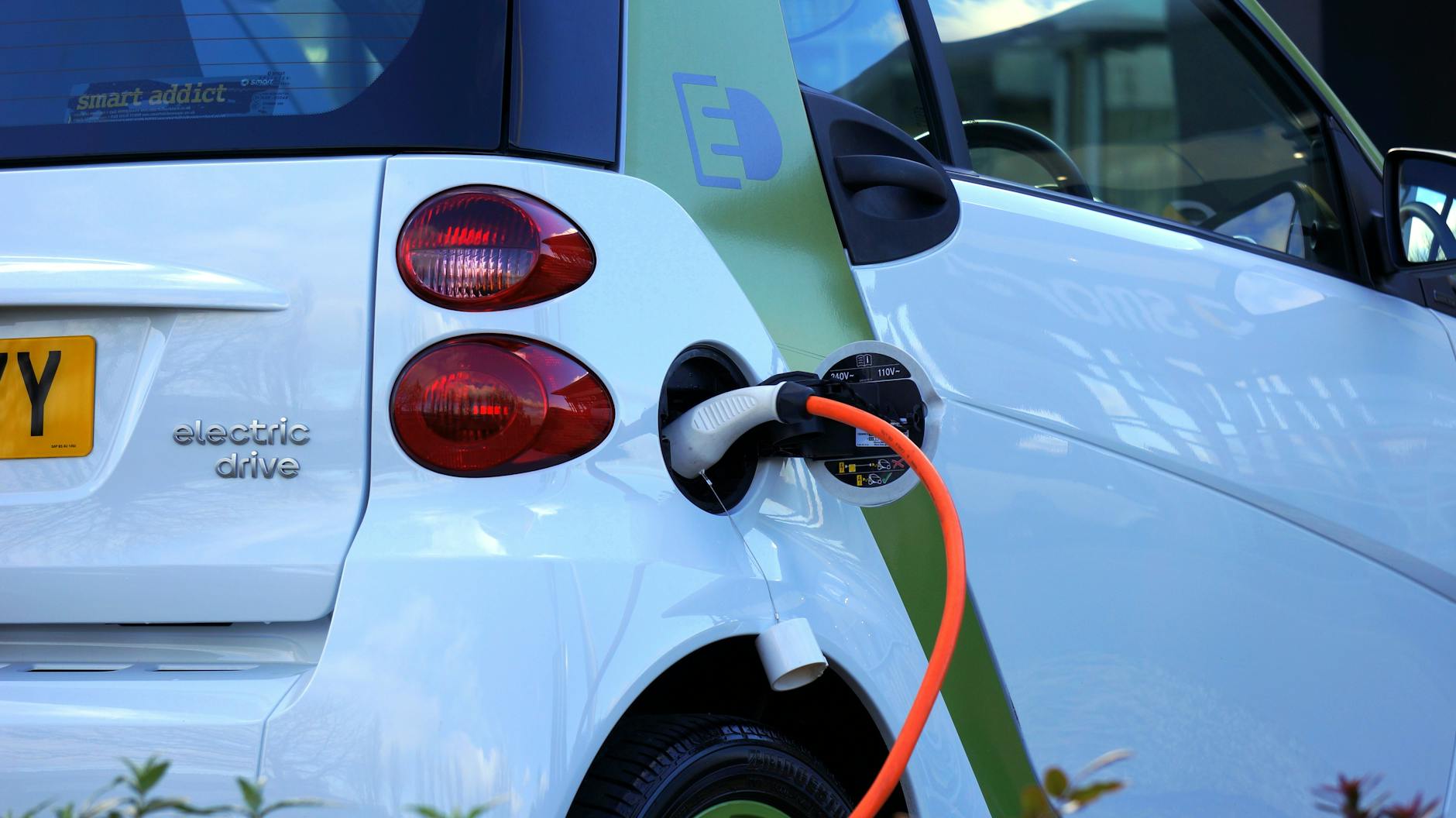
How EV Insurance Differs From Traditional Auto Coverage
Switching to an electric vehicle is exciting, but your insurance needs shift in meaningful ways. EVs are not simply gas cars with a different engine — they carry unique components, higher repair costs, and new coverage considerations that every buyer should understand before shopping for a policy.
Why EVs Often Cost More to Insure
Electric vehicles typically carry higher sticker prices than comparable gas models, which directly raises the cost to replace or repair them. Repair costs can be elevated because EV-specific technicians and parts are less universally available. The high-voltage battery pack alone can be enormously expensive to replace if damaged in a collision.
- Battery replacement costs: A damaged or degraded battery can cost thousands of dollars, and not every insurer handles this the same way.
- Specialized repair shops: Fewer certified EV repair facilities exist compared to traditional auto shops, which can extend repair timelines and costs.
- Advanced technology: Sensors, cameras, and software-driven safety systems cost more to repair than conventional mechanical components.
Coverage Features That Matter More for EV Owners
Battery Coverage
Ask each carrier explicitly how the battery is covered. Some policies treat the battery as part of comprehensive coverage, while others may have exclusions or sublimits. Battery degradation from normal use is rarely covered, but damage from a collision or a covered peril typically is.
Charging Equipment Coverage
If you install a Level 2 home charging station, you may need to add it to your homeowners or renters policy separately. Some auto insurers offer charging equipment coverage as an endorsement. Compare whether carriers bundle this or leave you responsible.
Roadside Assistance
Running out of charge is different from running out of gas. Standard roadside assistance may not include EV-specific towing to a charging station. Look for plans that specifically address charging emergencies and know the towing range limits.
How to Compare EV Insurance Carriers Effectively
Not all carriers have caught up with the EV market equally. Some have built dedicated EV underwriting guidelines, while others simply apply their standard auto framework. When comparing carriers on a site like Marketinsurance, look beyond the base premium and examine:
- Whether the battery is fully covered under comprehensive or collision
- How gap insurance is handled if you financed a high-value EV
- Whether original equipment manufacturer (OEM) parts are guaranteed in repairs
- Availability of usage-based or telematics programs, which many EV owners benefit from due to smooth, consistent driving habits
Tax Credits and Their Insurance Implications
Federal and state EV incentives reduce your purchase price, but your insurer typically insures the full replacement value of the vehicle, not the post-credit price. Confirm how your carrier determines actual cash value and whether you need agreed-value coverage for a newer EV.
Tips Before You Bind a Policy
Get quotes from at least three to four carriers before committing. Provide the exact make, model, trim, and any upgrades to ensure accurate quotes. Ask each carrier about discounts specific to EVs, such as reduced emissions discounts or safety technology credits. Review the policy's diminishing deductible or accident forgiveness options, since EV repairs can be costly even in minor collisions.
Comparing carriers side by side is the most reliable way to find a policy that covers your EV's specific risks without overpaying for coverage you do not need.
Frequently asked questions
Is EV insurance always more expensive than gas car insurance?
Not always, but it frequently is. The higher vehicle value and repair costs tend to push premiums up. However, some carriers offer discounts for EVs, and your driving history, location, and chosen coverage level all play significant roles in the final premium.
Does my policy cover the battery if it catches fire?
Fire damage to a battery is generally covered under comprehensive coverage, but policy language varies. Read your policy carefully and ask your carrier directly about high-voltage battery fire claims before binding.
Should I get gap insurance on a new EV?
If you financed or leased your EV, gap insurance is worth serious consideration. EVs can depreciate quickly in the first year, and the gap between what you owe and the vehicle's actual cash value can be significant after a total loss.
Recommended in this guide
Often among the first quotes worth comparing for auto.
- Strong digital quotes
- Usage-based discount options
Reliable baseline quote for almost every auto shopper.
- Easy online flow
- Broad availability
Best when you value local agent support over pure DIY pricing.
- Huge agent network
- Strong bundling